Renault Duster Iconic Vs Iconic Launch Edition: What’s Different In The Special Edition?
The Iconic Launch Edition adds exclusive styling touches that give the top-spec Duster a special look
The newly launched Renault Duster is available in multiple variants, with the Iconic sitting at the top of the range. At the launch of the Duster, Renault also introduced the Iconic Launch Edition, which is essentially a limited-run version based on the fully-loaded Iconic trim.
While both variants are identical in many aspects, the launch edition focuses on exclusivity with unique cosmetic elements and a distinct identity.
So, if you’re planning to buy the top-spec Iconic but want something unique, then here’s everything that the Launch edition offers over the regular Iconic variant:
Renault Duster Iconic vs Iconic Launch Edition: Price
Both variants are priced identically, so your decision comes down to whether you want the exclusive styling of the Launch Edition or the broader colour choices and subtleness of the standard Iconic.
Renault Duster Iconic vs Iconic Launch Edition: Exterior
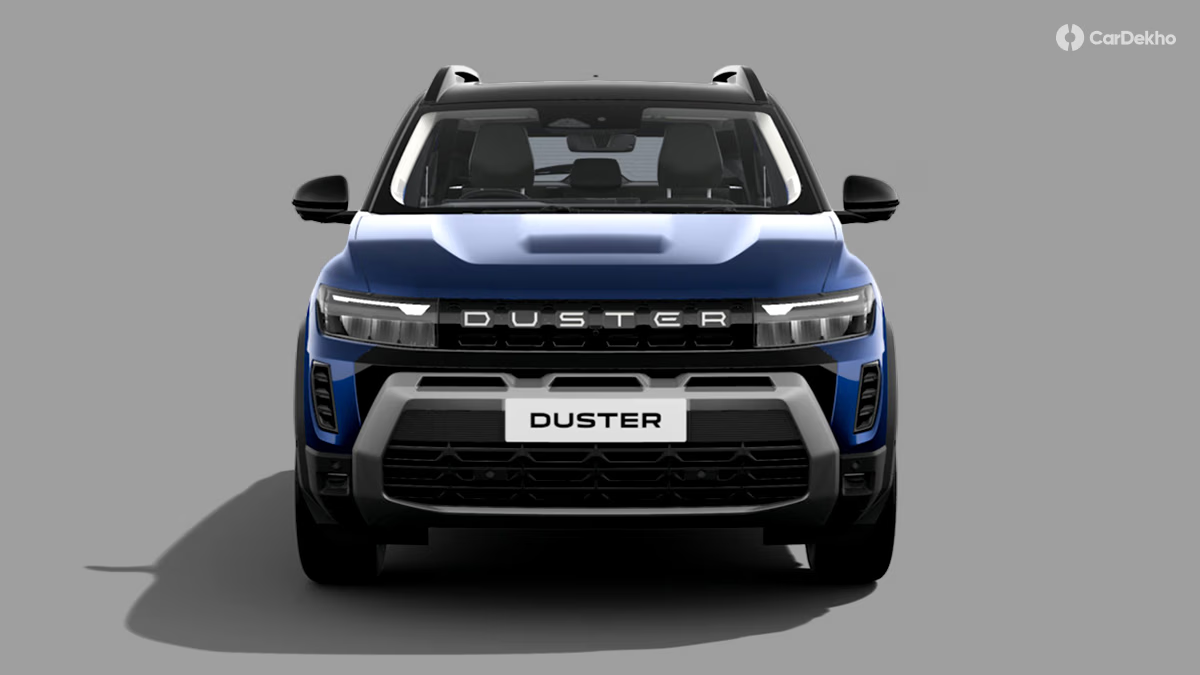
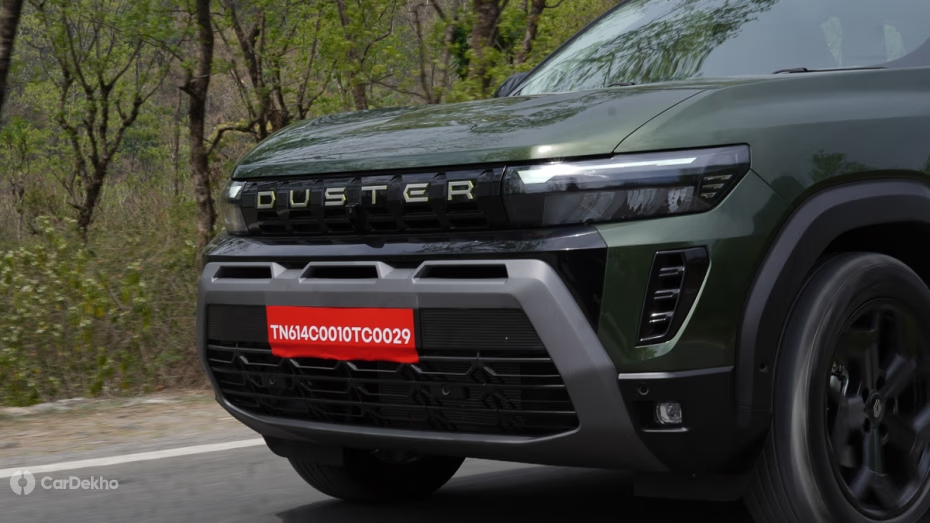
Both versions of the Renault Duster share the same overall styling and design elements. Up front, they feature eyebrow-style LED DRLs, LED headlamps, LED fog lamps, a bold ‘DUSTER’ grille, and a silver skid plate, giving them a strong road presence.
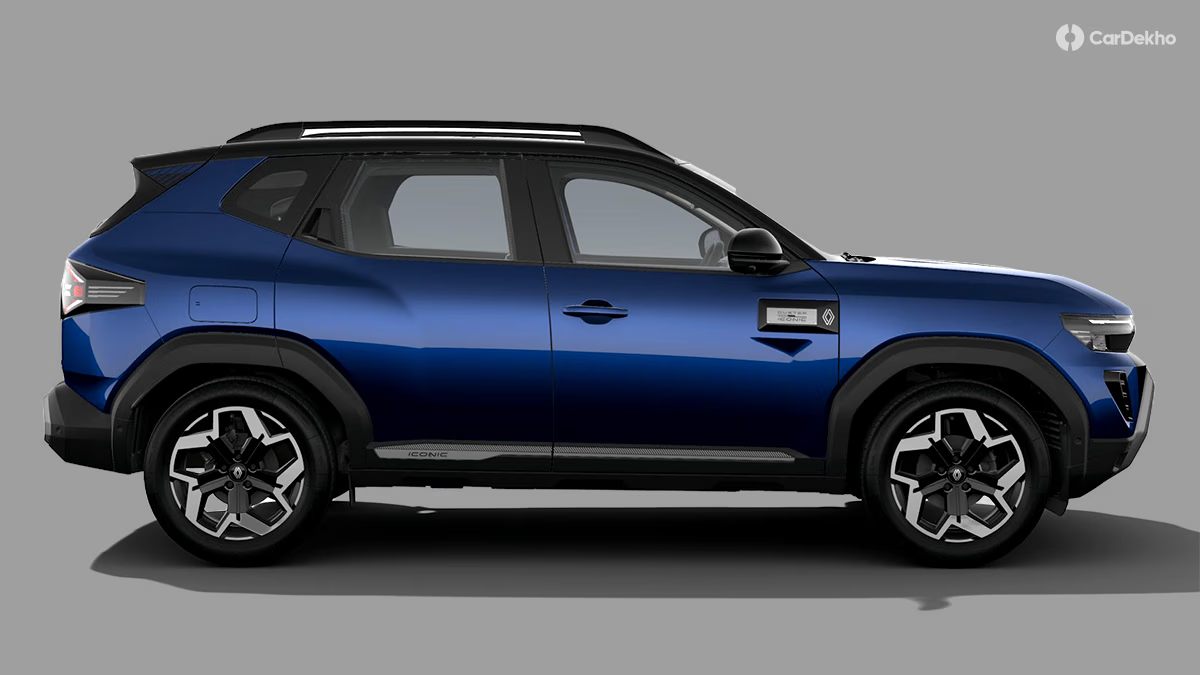
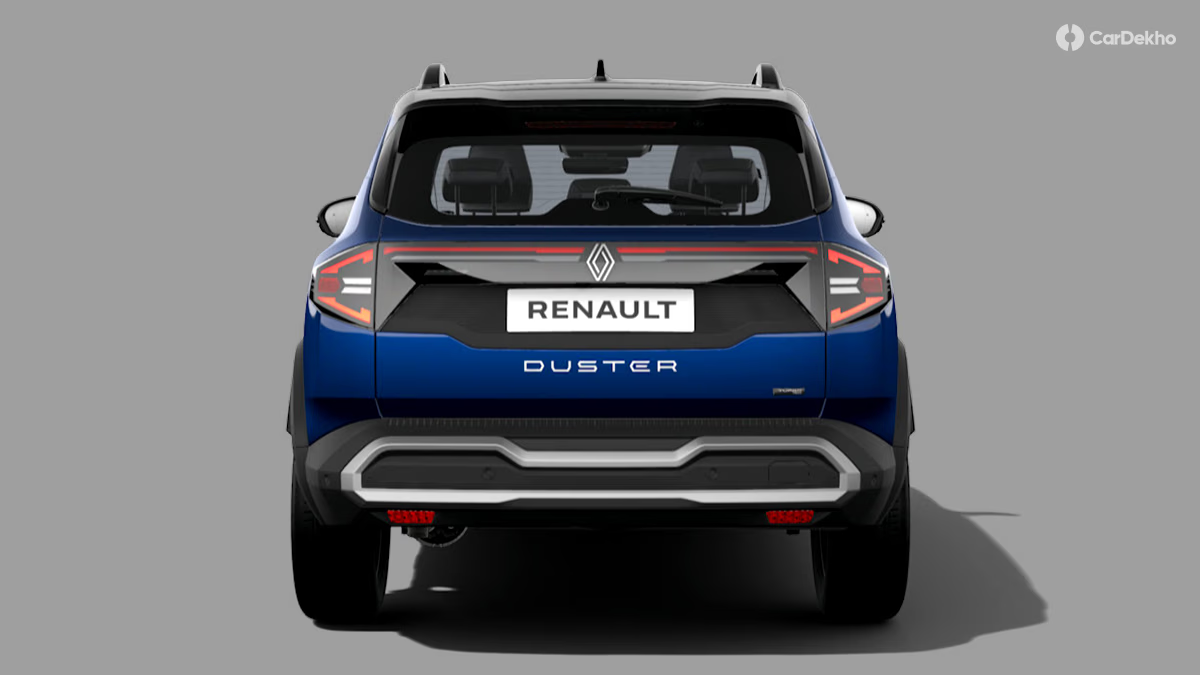
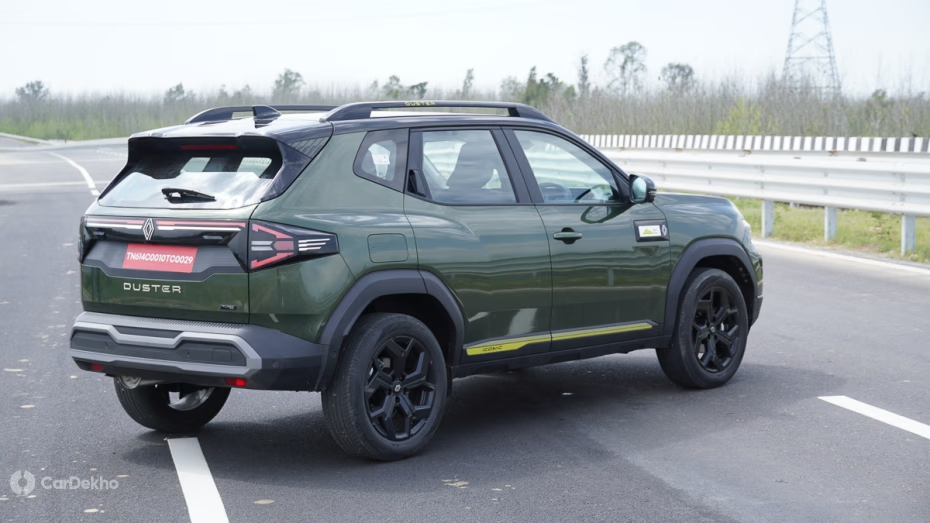
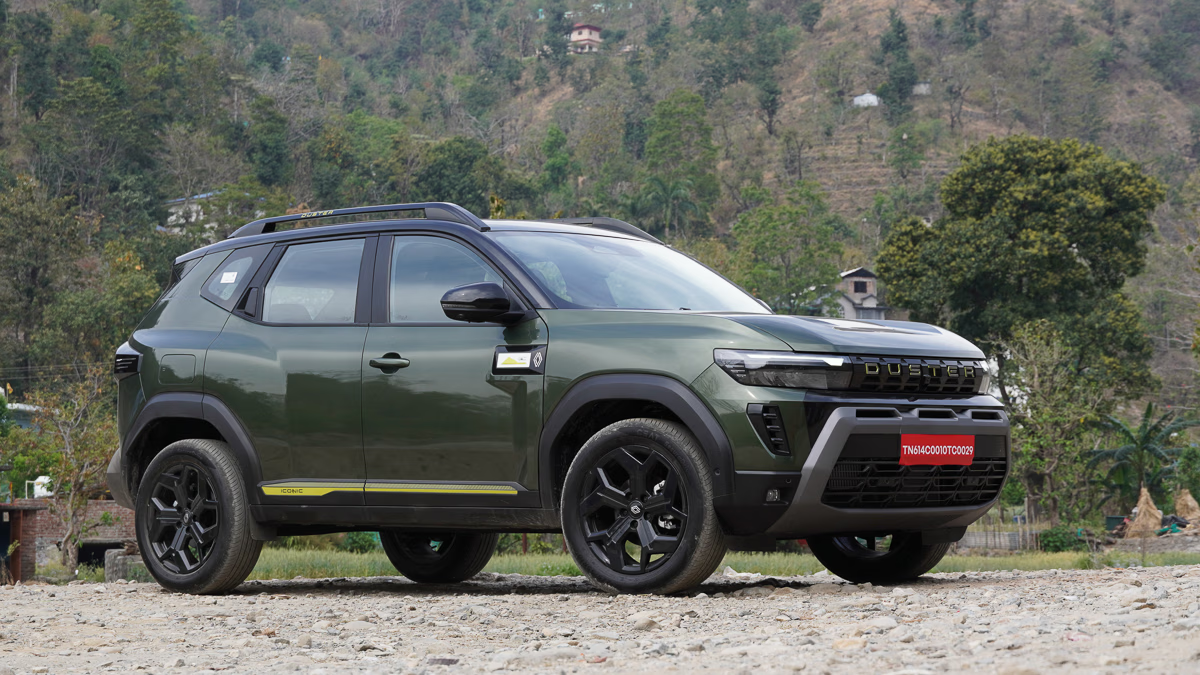
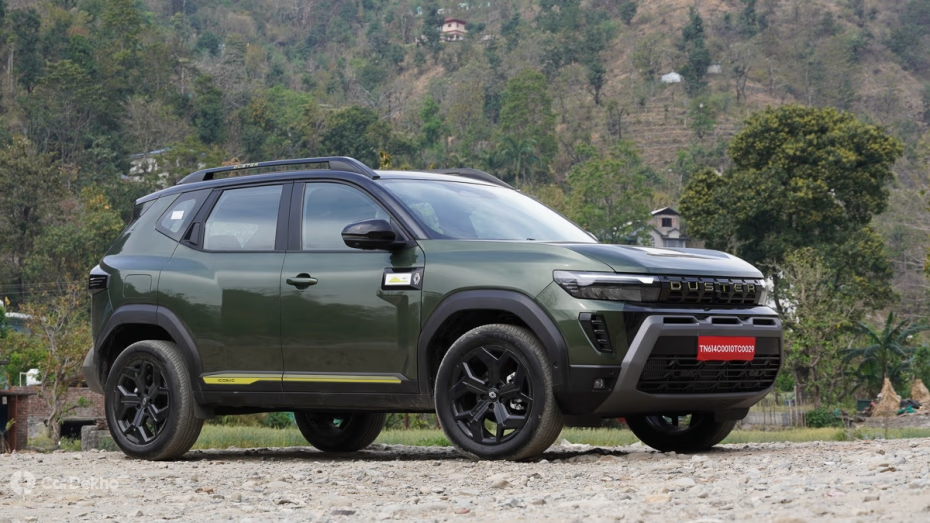
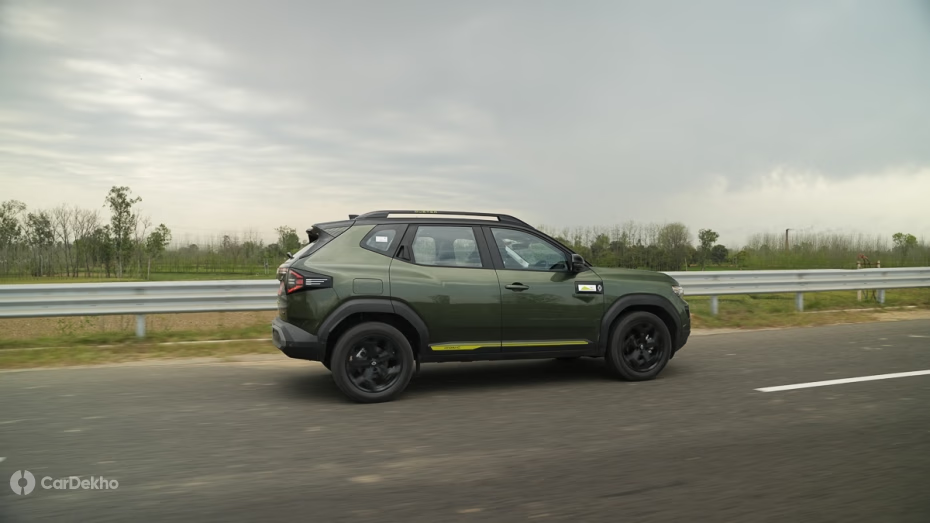
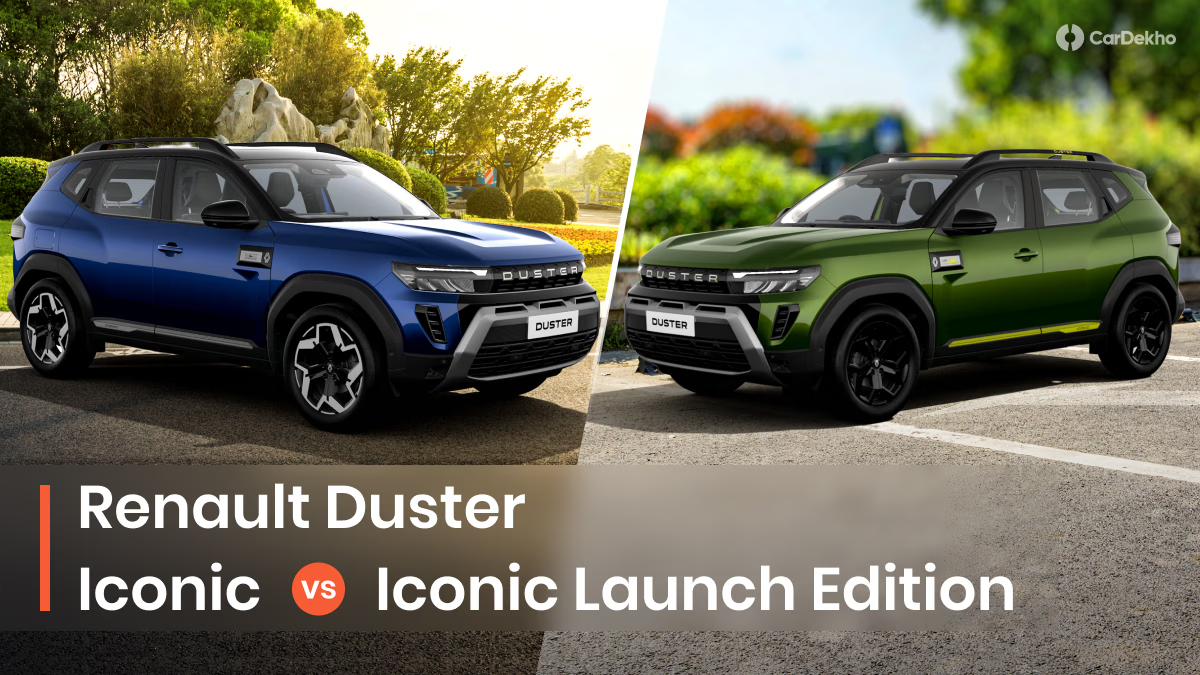
The differences, however, lie in the finer details. The Iconic Launch Edition stands out with its exclusive Mountain Jade Green shade paired with a black roof, which is the only colour option available for this special edition. It also gets unique cosmetic enhancements such as yellow highlights on the Renault logo and Duster lettering at both the front and rear, along with yellow contrast stripes and Himalaya-inspired graphics on the doors. Additional touches include ‘Iconic’ lettering with yellow accents on the body cladding, yellow ‘Duster’ branding on the roof rails, and 18-inch blacked-out alloy wheels, all of which give it a more distinctive and eye-catching appearance.
In comparison, the standard Iconic variant features dual-tone alloy wheels instead of the blacked-out units and does not get the yellow accents and special edition graphics altogether, resulting in a cleaner and more understated look. We have compared all the upgrades the Iconic variant gets over the Techno Plus. Overall, while the Launch Edition is designed to stand out with its bold styling elements, the standard Iconic appeals to those who prefer a more subtle look.
To know more about the design elements of the Duster, head over to this report.
Colour options with the Iconic:
The Iconic trim gets these colour options in addition to the green hue: Pearl White, Stealth Black, Moonlight Silver, Sunset Red, and River Blue.
Renault Duster Iconic vs Iconic Launch Edition: Interior
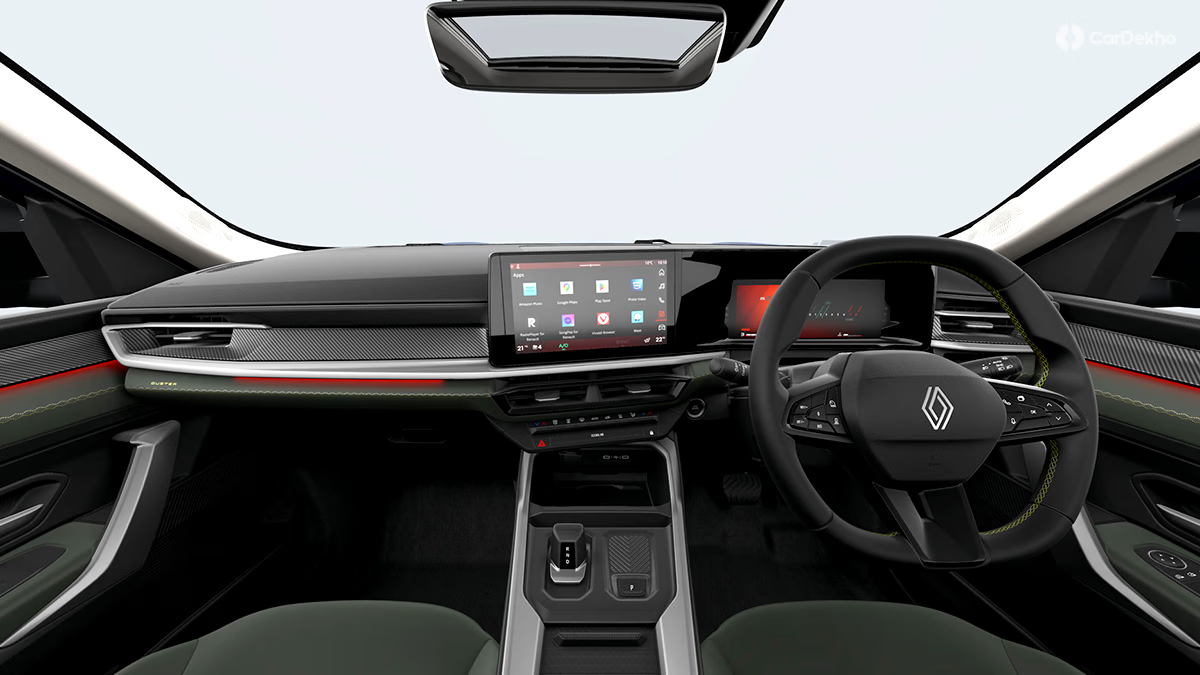
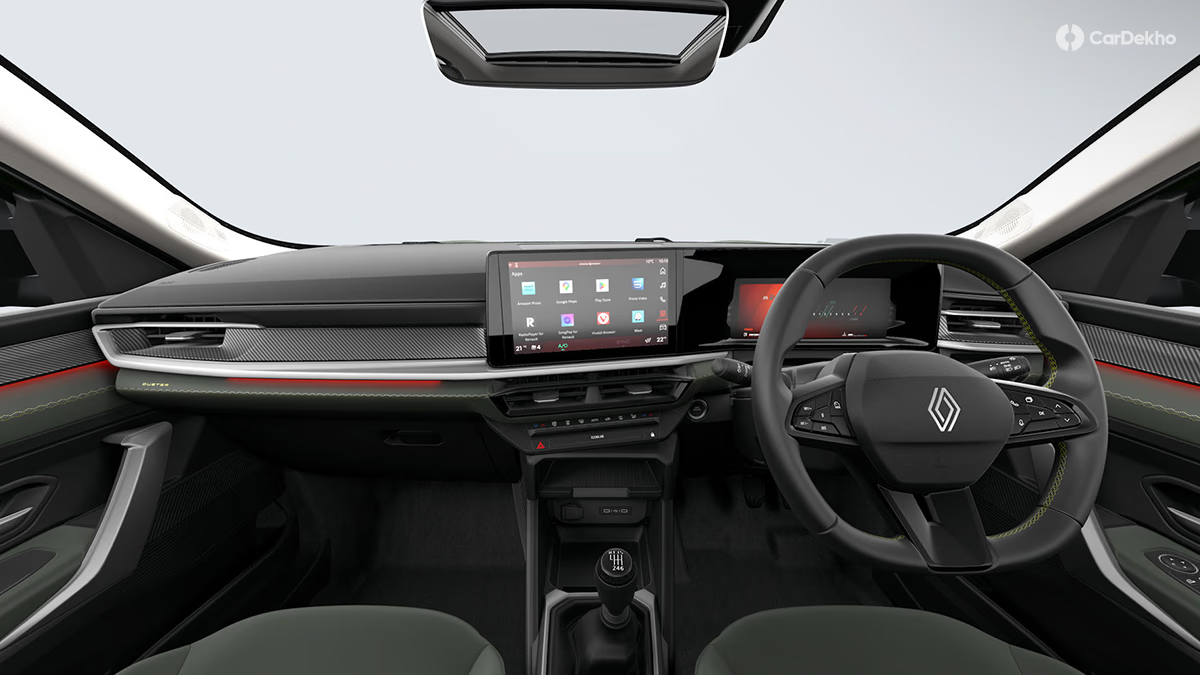
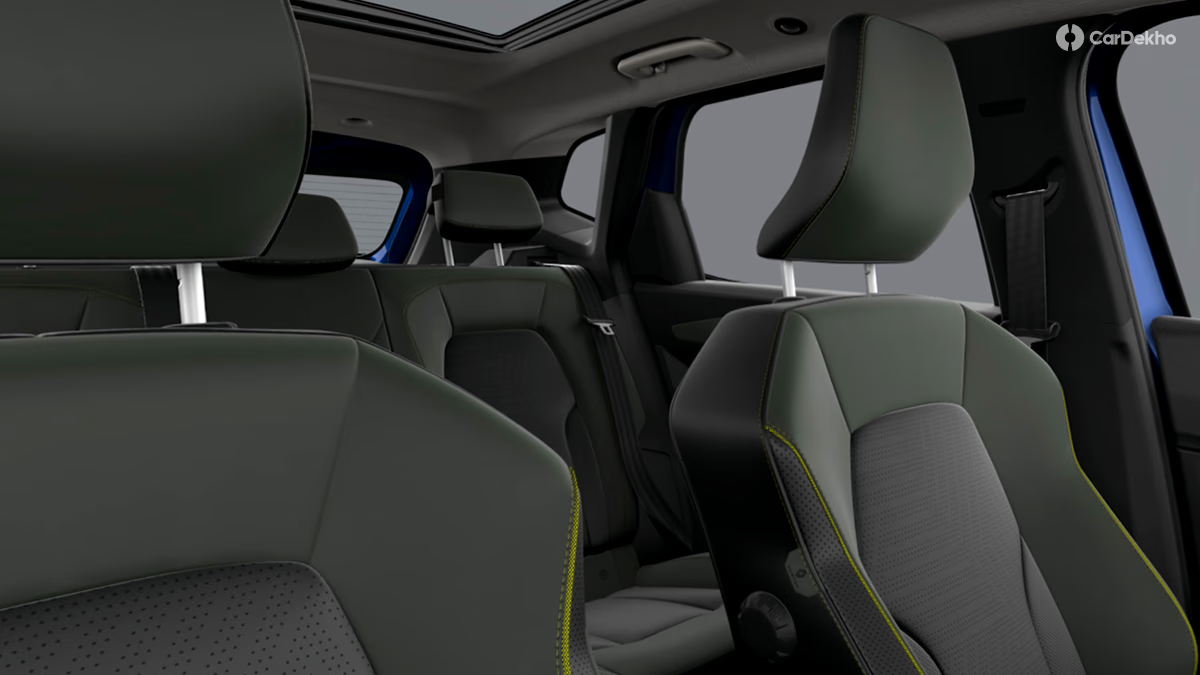
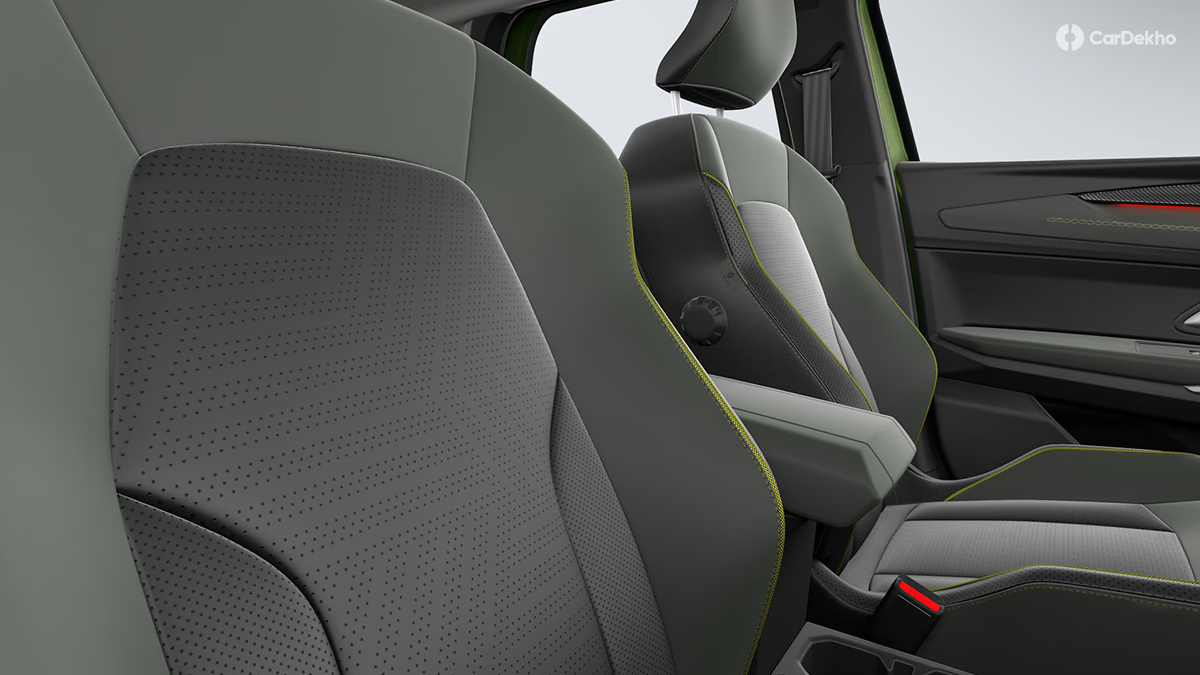
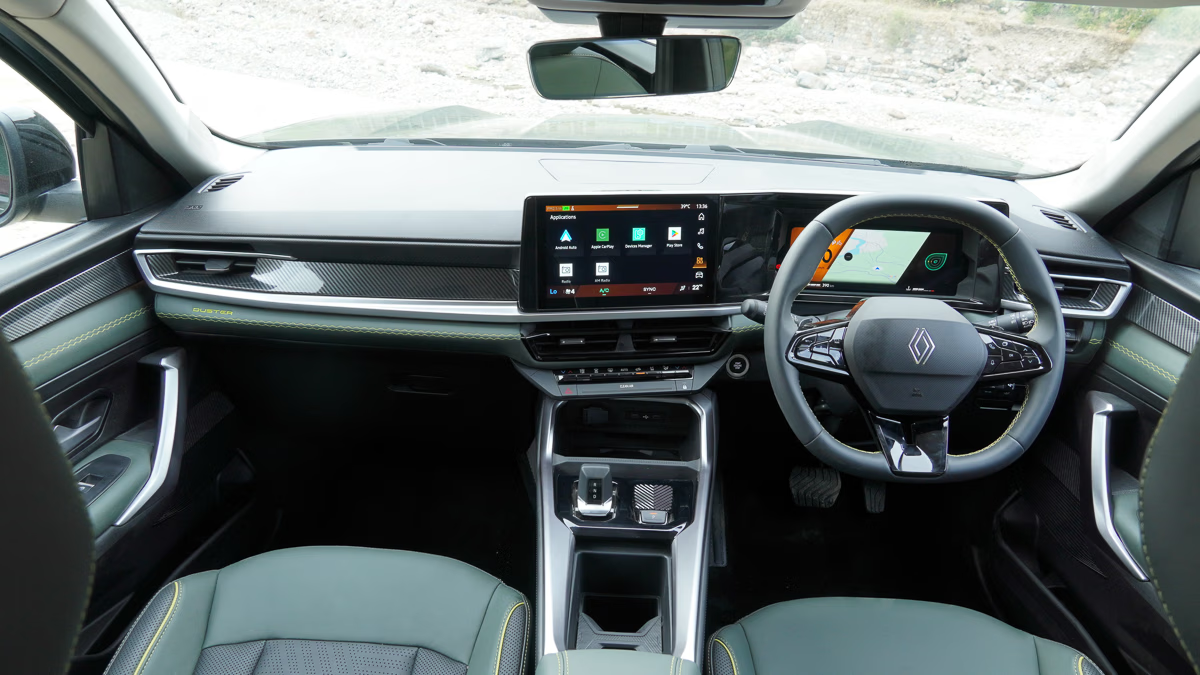
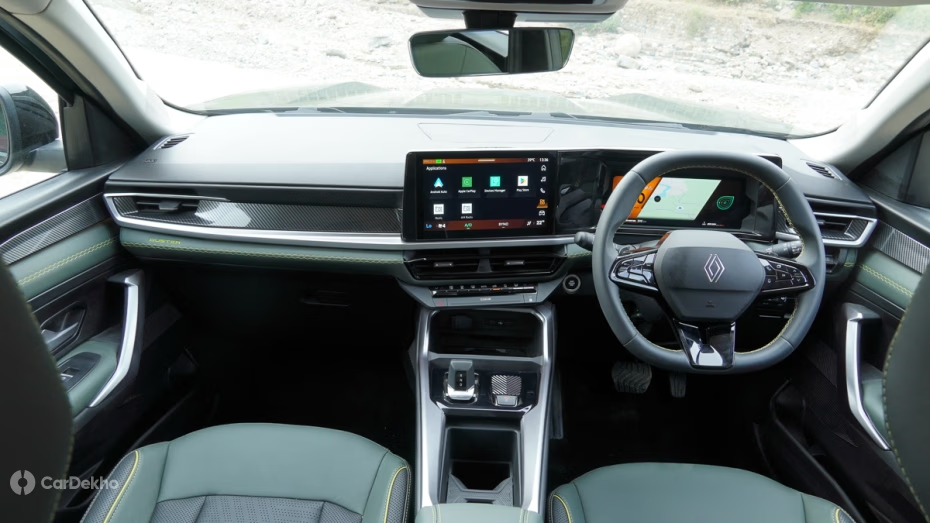
The Iconic Launch Edition, however, adds a subtle touch of exclusivity with contrast yellow stitching on the seats, which ties in neatly with its exterior highlights. This gives it a slightly more distinctive visual identity compared to the standard version. That said, the overall layout, material quality, and comfort levels remain the same in both variants, ensuring a similar in-cabin experience regardless of which one you choose
To check out the Iconic Launch Edition in detail, here’s an in-depth report.
Renault Duster Iconic vs Iconic Launch Edition: Features
Since the special edition is based on the Iconic trim, it gets all the features that you get with the standard Iconic version. The long list of features include a 10.1-inch touchscreen infotainment, a 10.25-inch digital driver’s display, wireless Apple CarPlay/Android Auto, a panoramic sunroof, dual-zone auto AC with rear vents, an air purifier with PM2.5 filter, a 6-speaker Arkamys sound system, ventilated and 6-way power adjustable front seats (also comes with manual lumbar support adjustment), 48-colour ambient lighting, wireless phone charger, rain sensing wipers and connected car tech. Read more about what other variants of the Renault Duster get here.
Safety is taken care of by features like 6 airbags, electronic stability control (ESC), ISOFIX child seat anchorages, auto headlamps, electronic parking brake with auto hold, traction control, a tyre pressure monitoring system (TPMS), hill descent control, a 360-degree camera system, and front, side and rear parking sensors. You also get a level-2 advanced driver assistance (ADAS) suite with 17 advanced features.
Renault Duster Iconic vs Iconic Launch Edition: Powertrain
Both Iconic and Iconic Launch Edition only come with the more potent 1.3-litre turbo-petrol engine, details of which can be found below:
*DCT – Dual-clutch Transmission
If you want to check out other powertrain options and the variants that get the other engine option, head over to this report.
CarDekho Says…
As you can conclude, the Iconic Launch Edition of the Renault Duster is essentially just a cosmetic upgrade over the already feature-loaded Iconic variant. It brings exclusive styling elements like the Mountain Jade Green dual-tone shade, yellow highlights, special graphics, and blacked-out alloy wheels, all of which make it stand out more on the road.
However, beyond these visual enhancements, there are no differences in terms of features, safety, or performance, as both variants offer an identical equipment list and the same 1.3-litre turbo-petrol powertrain.
Since both variants are priced the same, the decision ultimately comes down to personal preference. If you want a more distinctive and attention-grabbing SUV with a sense of exclusivity, the Launch Edition is the obvious pick. But if you prefer more colour options and a cleaner, more understated design, the standard Iconic remains the more versatile choice.
Which one would you pick? Let us know in the comments section below.
Here Are All The Cars Launched And Revealed In March 2026
The month saw the return of a popular compact SUV, multiple facelifts across segments, and the launch of premium luxury offerings
Published On Mar 31, 2026 10:01 AM By CarDekho
75.7K Views
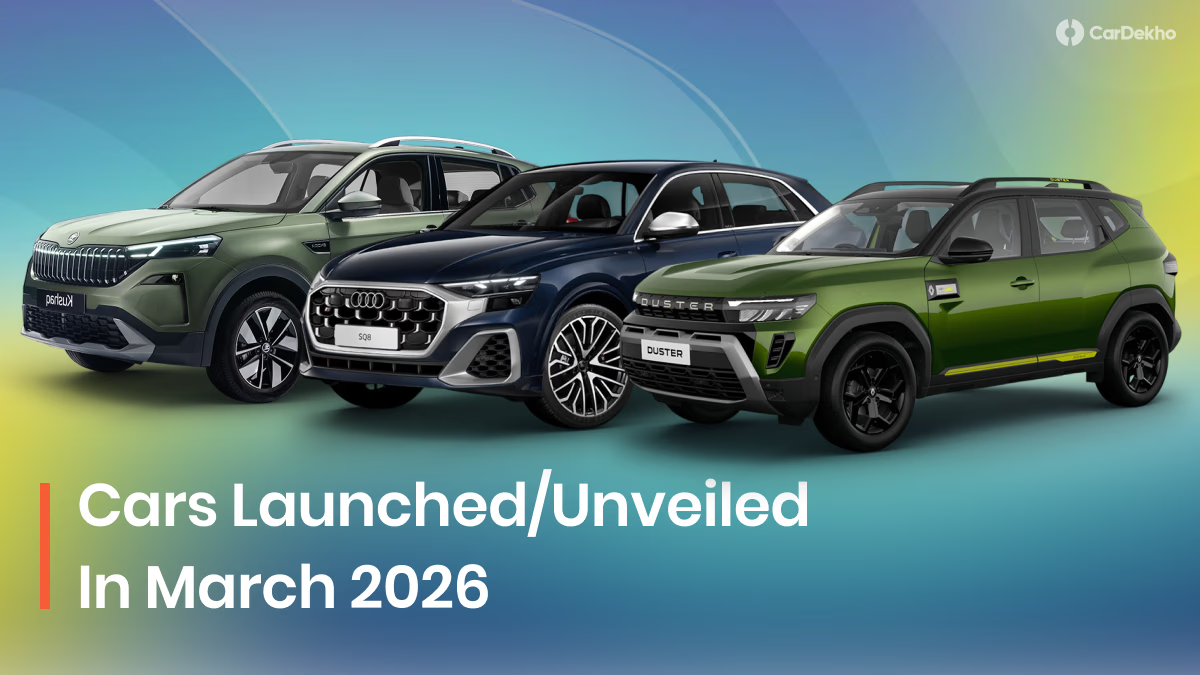
The Indian car market saw a steady mix of new launches and updates in March, covering both mass-market and premium segments. These included the return of a popular compact SUV to updates for existing models and the introduction of new luxury offerings, there was a good spread across categories. Here’s a look at all the cars launched in India in March.
New Renault Duster (Launch)
Price: Rs 10.49 lakh to 18.49 lakh (ex-showroom)
Renault reintroduced the Duster in India, bringing back a familiar nameplate with a completely updated package. The new Duster features a more rugged design, with squared-off styling, chunky body cladding, and a more modern overall look.
Inside, the 2026 Duster gets a new cabin layout with a larger touchscreen infotainment system, a digital driver’s display, and a modern feature set. This includes wireless Android Auto/ Apple CarPlay, a 360-degree camera, and multiple drive modes.
Engine options include a 1-litre and a 1.3-litre turbo-petrol choices, paired with manual and automatic transmission options, and a 1.8-litre strong hybrid engine option. Tap here to know more about the new-gen Renault Duster
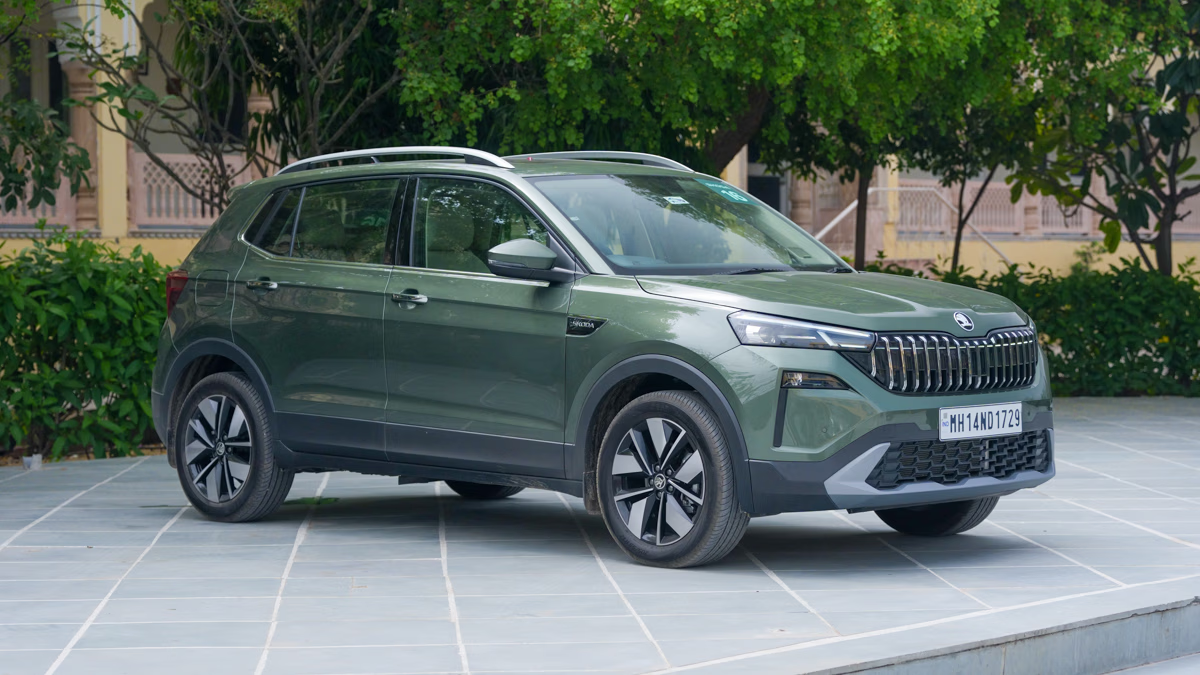
2026 Skoda Kushaq Facelift (Launch)
Price: Rs 10.69 lakh to 18.99 lakh (ex-showroom)
Skoda updated the Kushaq with a facelift that focuses on small design changes and added features. The exterior gets minor tweaks such as revised lighting elements, updated bumpers, and new alloy wheel designs, while the overall design remains familiar.
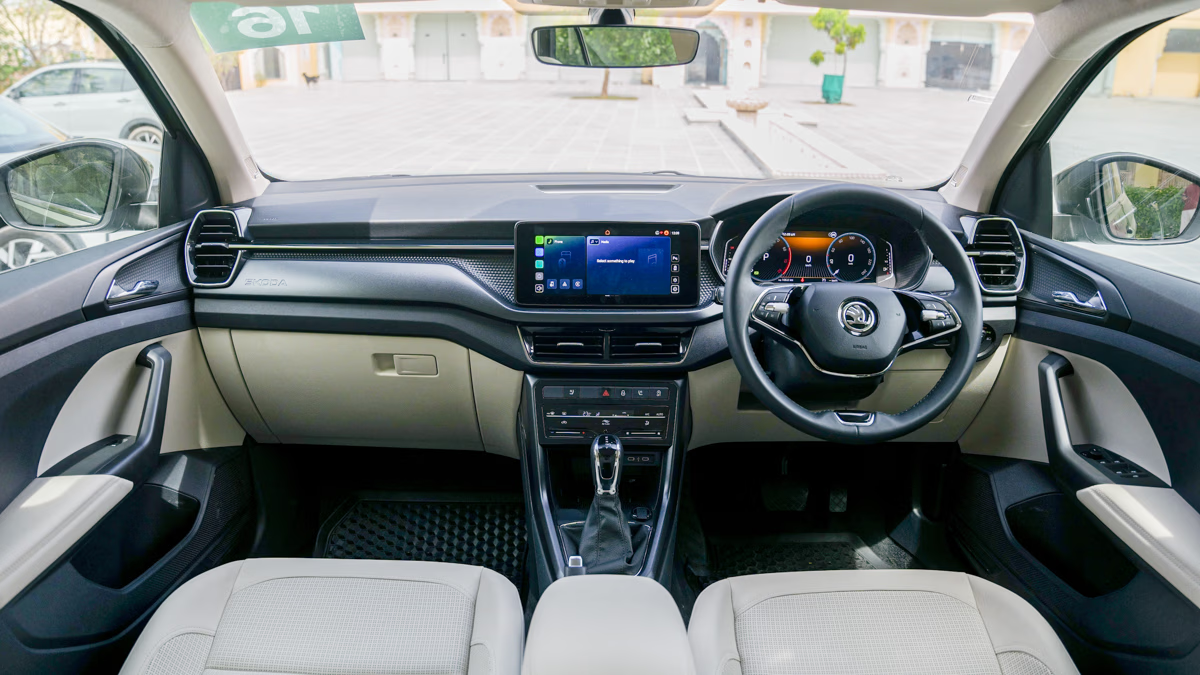
On the inside, the Kushaq continues with a similar cabin layout but now gets additional features to improve convenience and usability. It comes equipped with an updated infotainment system, a larger 10.25-inch digital driver’s display, wireless Android Auto and Apple CarPlay, massaging seats for rear-seat passengers, and ventilated front seats. Safety features include six airbags as standard, rain sensing wipers, tyre pressure monitoring system, and a 360-degree camera system with rear parking sensors.
The Kushaq facelift continues to be offered with the same 115 PS 1-litre and 150 PS 1.5-litre turbo-petrol engine options. However, the 1-litre turbo-petrol engine now gets a new 8-speed automatic transmission. To know more about the Kushaq facelift, check out our earlier report.
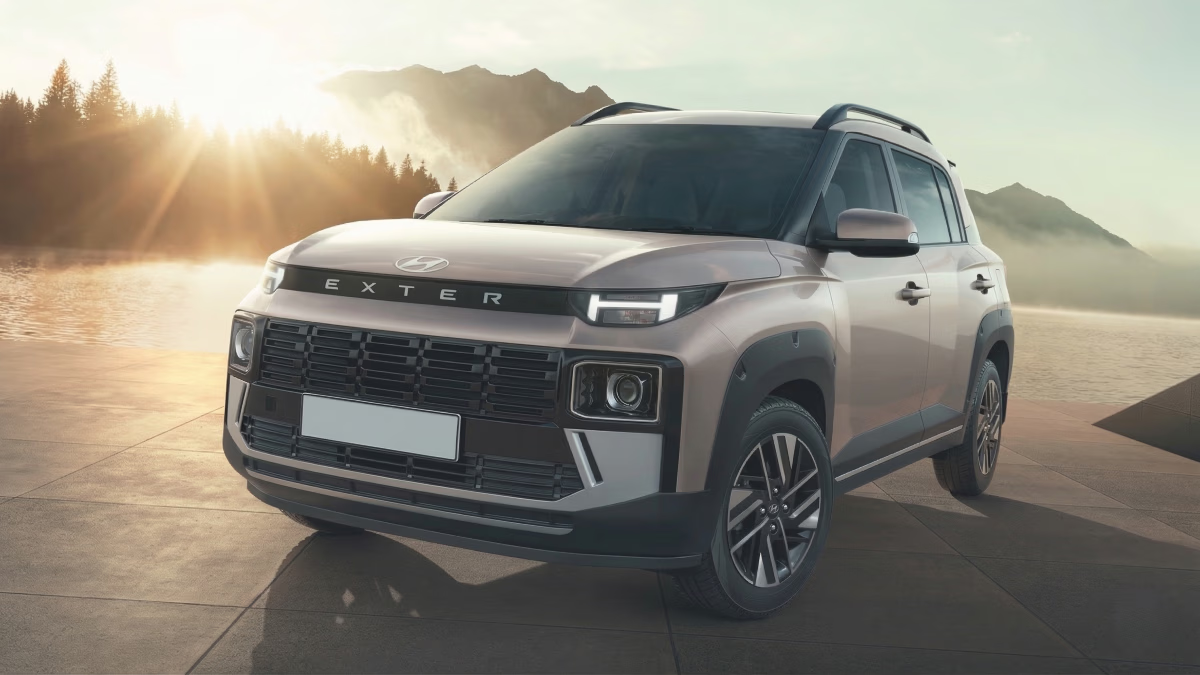
2026 Hyundai Exter Facelift (Launch)
Price: Rs 5.80 lakh to 9.57 lakh (ex-showroom)
Hyundai introduced the facelifted Exter with small design updates and a revised variant lineup. The changes include new exterior paint options, updated interior colour themes, and slight styling tweaks to keep the micro-SUV fresh.
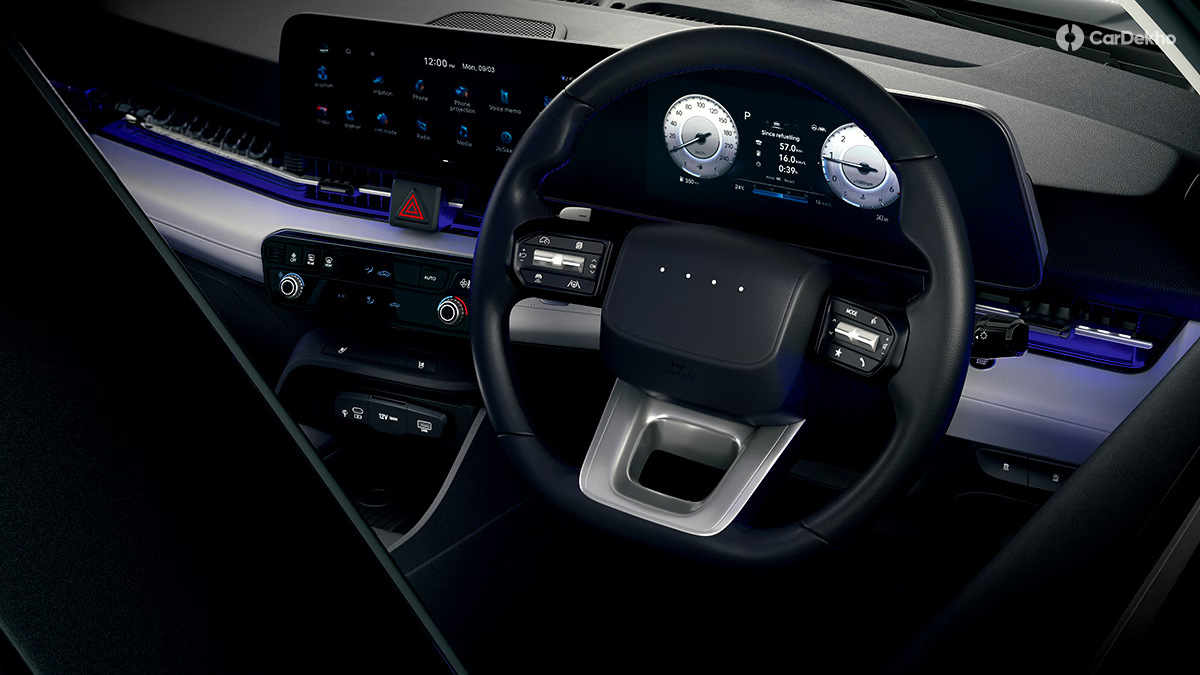
Exterior changes include an updated headlamp cluster, while carrying forward the sporty design. On the inside, the Verna continues to offer a well-equipped cabin. It comes equipped with features such as dual integrated 10.25-inch screens for infotainment and digital driver’s display, powered driver and front-passenger seat, ventilated front-row seats, ambient lighting, a wireless phone charger, and a single-pane sunroof.
On the safety front, the 2026 Verna gets level-2 ADAS, six airbags, a 360-degree camera system, blind spot monitor, and a tyre pressure monitoring system.
In terms of engine options, the 2026 Verna remains unchanged. It continues with the same 1.5-litre naturally aspirated petrol engine and the 1.5-litre turbo-petrol engine choices, paired with manual and automatic transmission options. Know more about the new Verna in this story.
Lexus ES (Launch)
Price: Rs 89.99 lakh (ex-showroom)
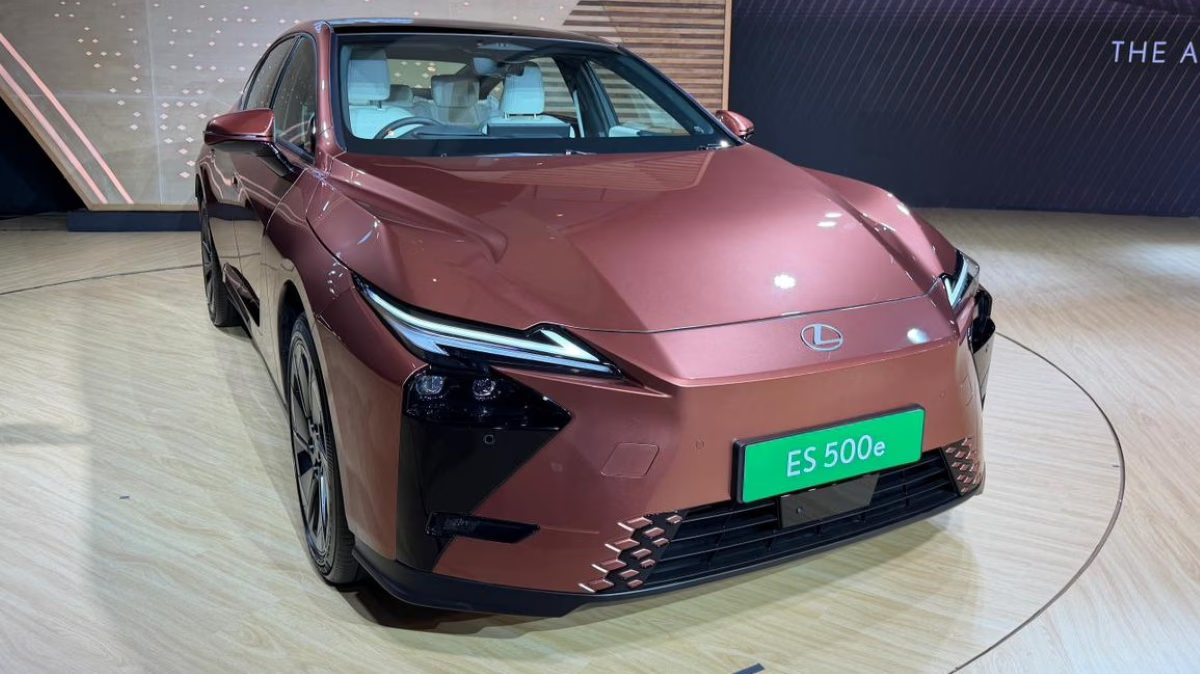
Lexus launched the eighth-gen ES sedan in India, continuing its focus on comfort and refinement. The sedan retains its elegant exterior design while receiving major updates to its interior.
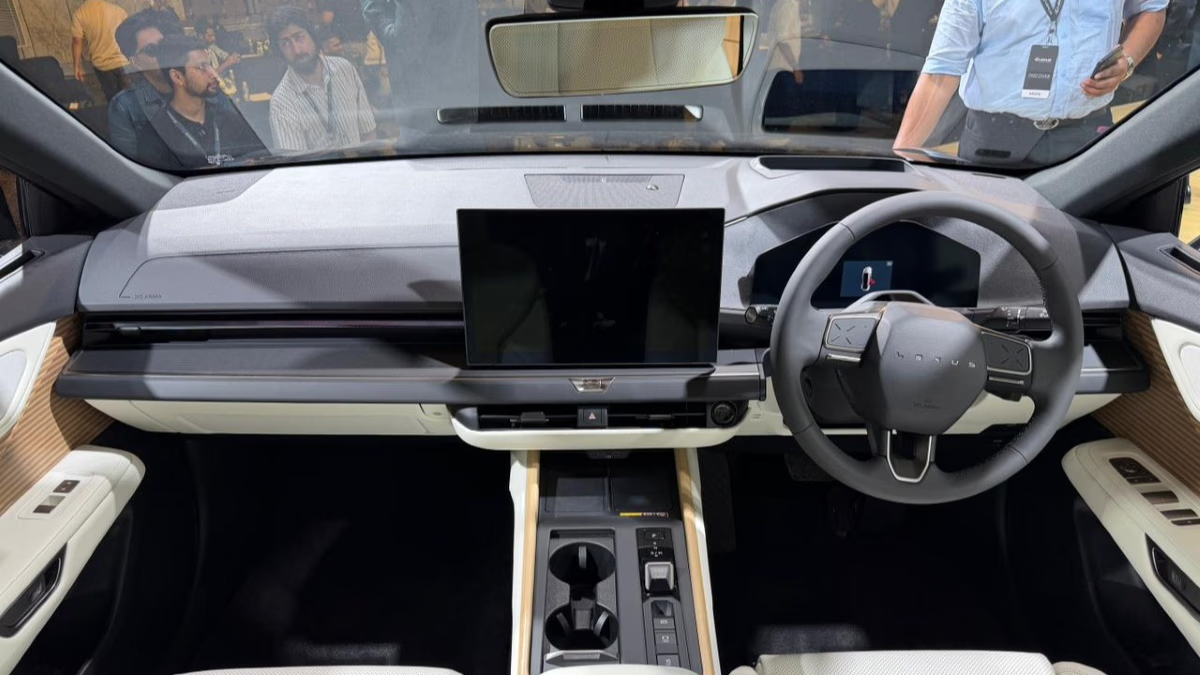
Inside, the ES now offers a more premium-looking cabin with features such as a 14-inch infotainment system, 12.3-inch digital driver’s display, ventilated seats, and a Mark Levinson surround sound system. The emphasis remains on providing a smooth and comfortable experience, especially for rear-seat occupants. This includes features like boss mode (which allows the rear passenger to adjust the front passenger seat) and seat recline with an ottoman function.
Lexus has currently revealed the powertrain specifications of the 550e variant, which comes equipped with a 75 kWh battery pack paired with dual electric motors producing 343 PS and 438 Nm, delivering a claimed range of 580 km. Check out this story to know more about the ES.
Audi SQ8 (Launch)
Price: Rs 1.78 crore (ex-showroom)
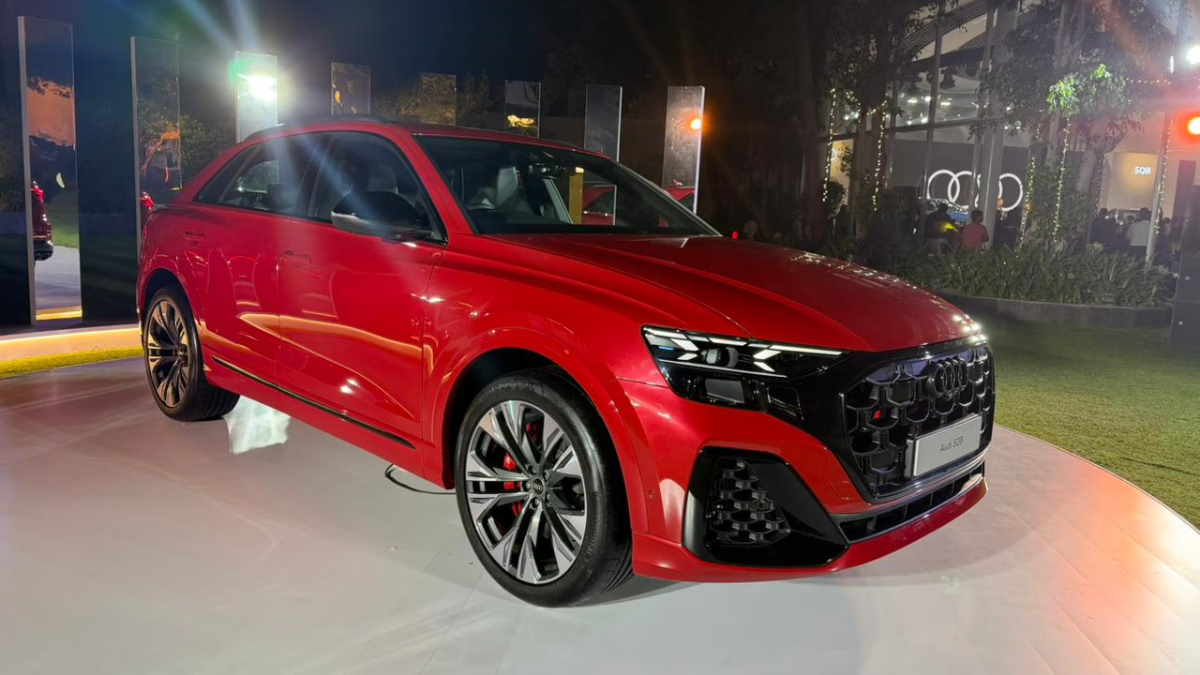
Audi launched the SQ8, positioning it as the performance-focused version of the standard Q8. It sits below the RSQ8, offering a sportier design along with a 4-litre V8 engine.
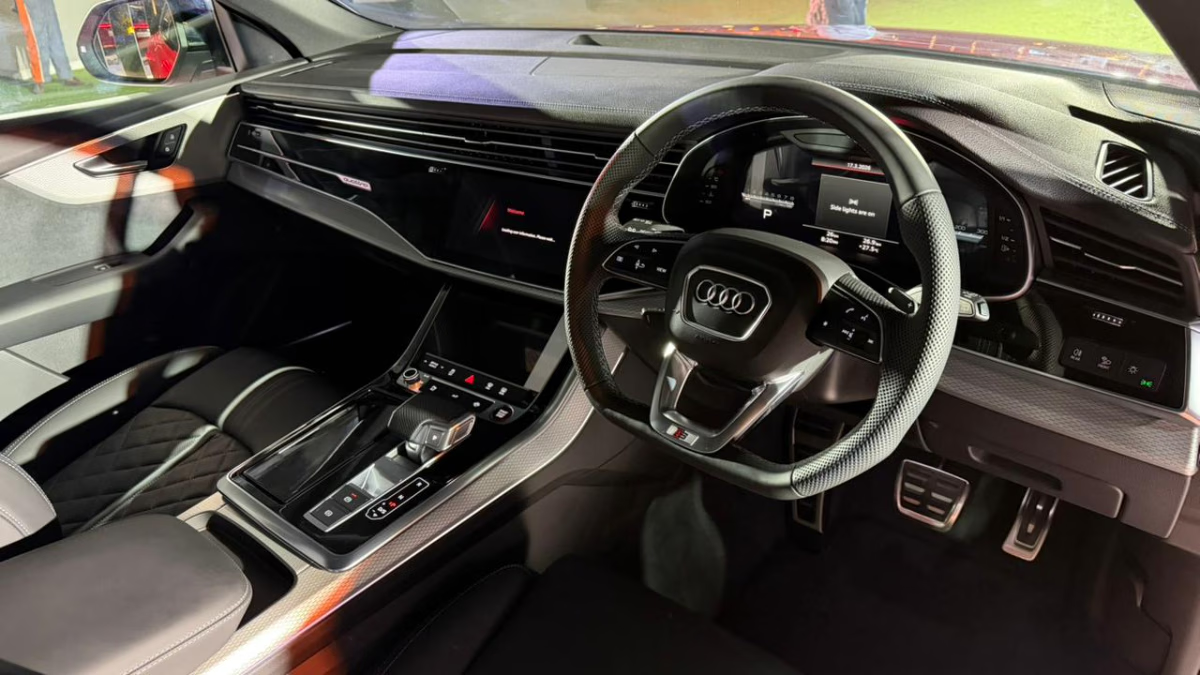
In terms of design, the SQ8 gets a more aggressive look with a large grille, sleek LED lighting, sporty bumpers, and a coupe-like roofline. Inside, it features a premium and tech-loaded cabin with Audi’s dual touchscreen setup, a fully digital driver’s display, a Bang & Olufsen sound system, four-zone climate control, and multiple driver assistance features.
Powering the SQ8 is a 4-litre twin-turbo V8 petrol engine that produces 507 PS and 770 Nm, paired with an 8-speed automatic transmission and quattro all-wheel-drive system. It can sprint from 0 to 100 kmph in 4.1 seconds, making it one of the quickest SUVs in its segment. Tap here to know more about the Audi SQ8.
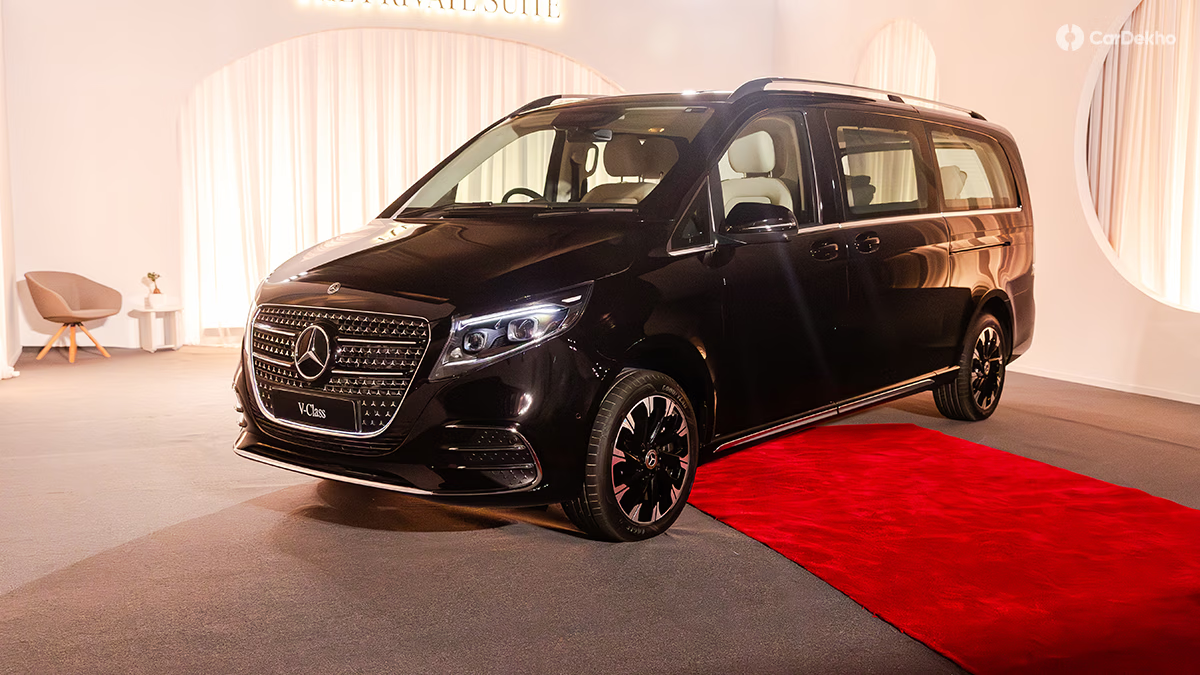
Mercedes-Benz V Class (Launch)
Price: Rs 1.4 crore (ex-showroom)
From the premium segment, Mercedes-Benz launched the V-Class in India, an MPV focused on offering luxury along with practicality. It is designed with an emphasis on rear-seat experience, making it well-suited for chauffeur-driven usage.
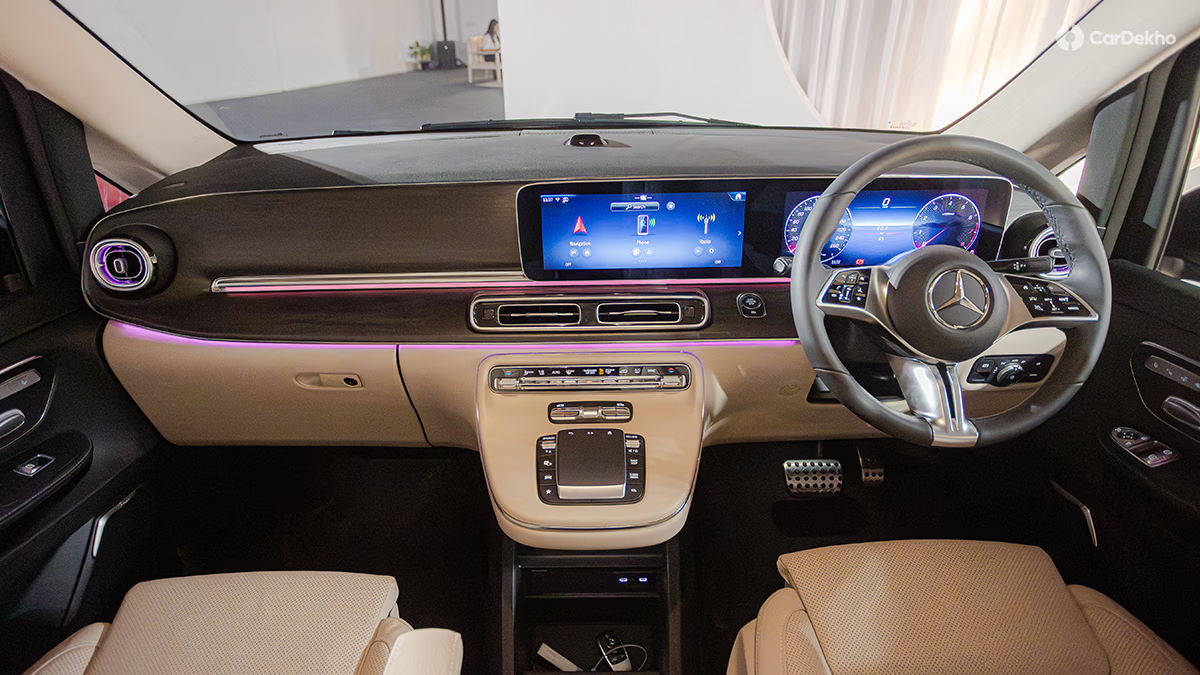
Inside, the V-Class offers a spacious cabin with features such as powered reclining seats, ambient lighting, a 12.3-inch infotainment system, and multiple comfort-oriented features for passengers. Its flexible seating layout allows it to cater to both family use and business travel.
The V-Class is offered with both petrol and diesel engine options, paired with a 9-speed automatic transmission. Check out our launch report to take an in-depth look at the V-Class.
That wraps up the list of cars launched in India in March 2026.
Let us know in the comments which launch caught your attention the most.
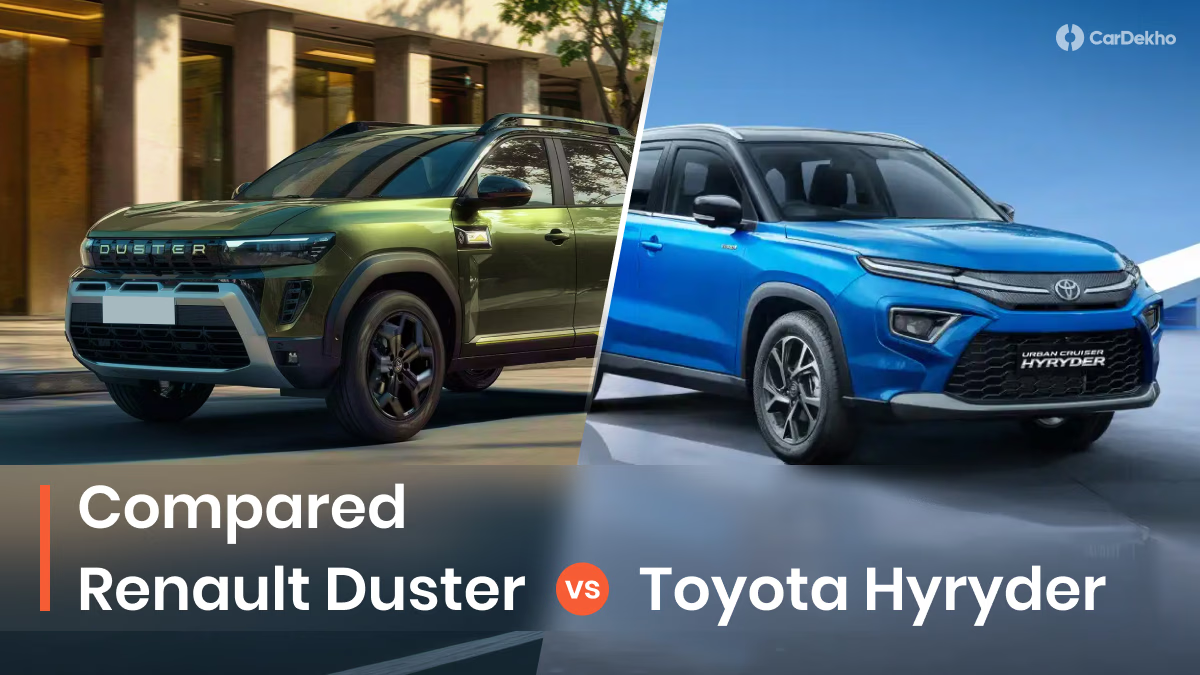
Renault Duster Vs Toyota Hyryder: Nostalgia Vs Sensibility
While the Duster is one of the best driver’s cars in the segment, the Toyota Hyryder sits on the other end of the spectrum with its comfort and efficiency
The newly launched Renault Duster might come with a hybrid powertrain sometime near the end of 2026, but if you wanted an efficient compact SUV in the same price right now, the Toyota Hyryder, Maruti Grand Vitara and Maruti Victoris are your only options.
That being said, the Duster is the newest option in the compact SUV space, packs more features and technology, and the segment’s most powerful turbo-petrol engine – all while carrying a stronger emotional appeal for some. So, what should you choose between the Duster and Hyryder?
Price
All prices are ex-showroom, pan-India
The starting price of the Renault Duster undercuts the Toyota Hyryder by Rs 50,000.
Even at the top end, the Renault Duster is the more affordable option that would save you Rs 1.3 lakh over the top-spec Toyota Hyryder.
Do note that the prices for the hybrid powertrain of the Duster aren’t out yet and it is likely to be around Rs 2 lakh more expensive than the Hyryder.
Dimensions
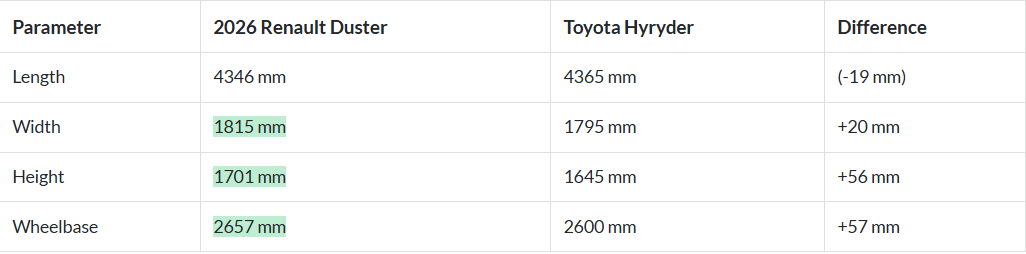
- The Duster only loses out to the Hyryder in terms of length, where it is shorter by 19mm.
While the Duster is marginally wider (by 20 mm), it is significantly taller with a difference of 56 mm.
Despite being shorter in length, the Duster actually boasts a 57 mm longer wheelbase.
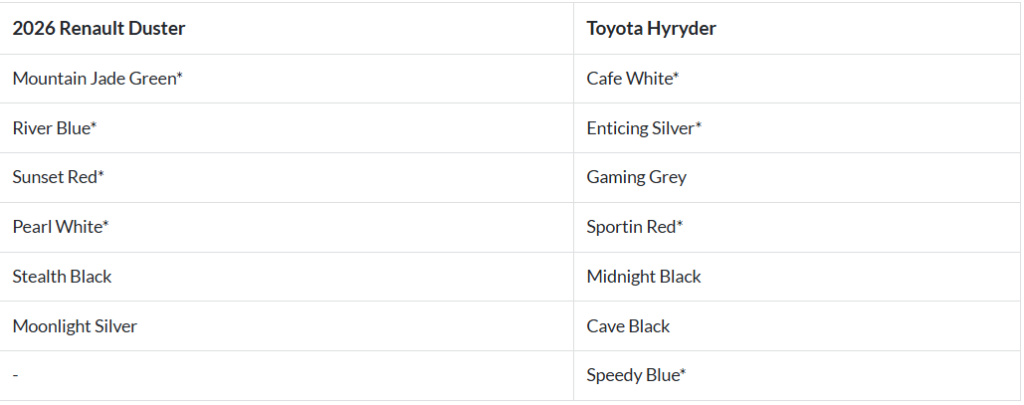
Colour options
*Also offered with an optional dual-tone scheme with black roof
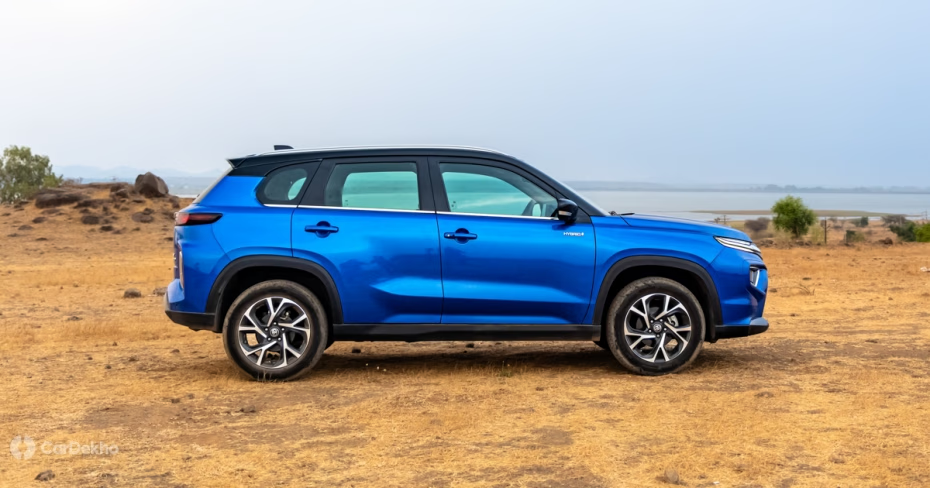
Renault only offers six exterior shades, while the Toyota Hyryder is available with seven options
Both cars offer a mix of dull and vibrant shades.
The Duster is additionally available in an Iconic Launch Edition with blacked-out alloys and yellow highlights that add a nice contrast to the Green exterior colour.
Features
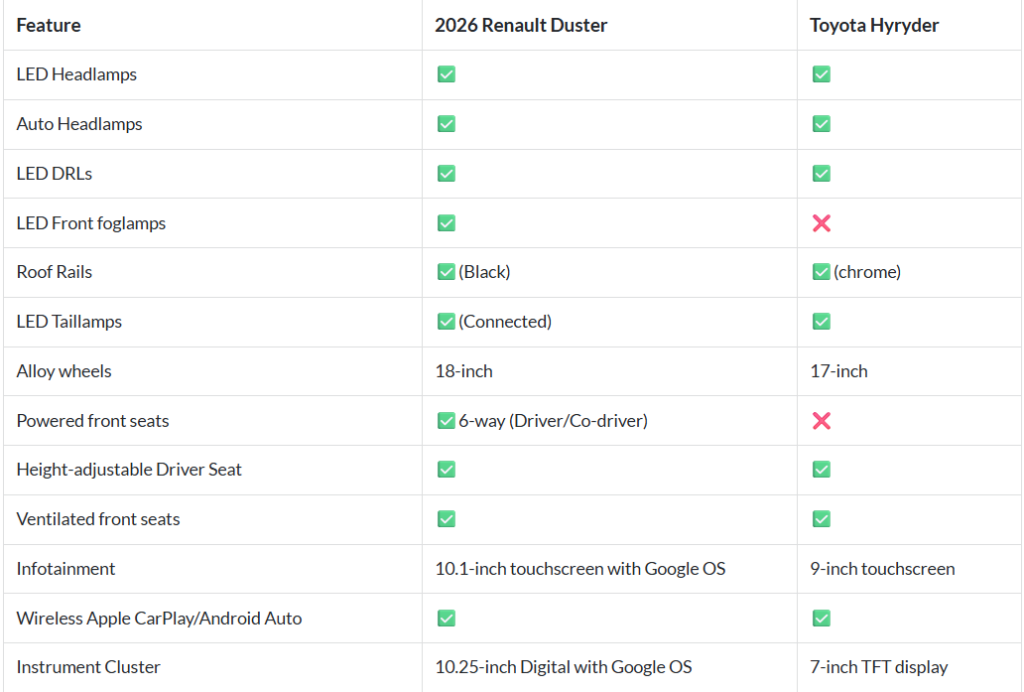
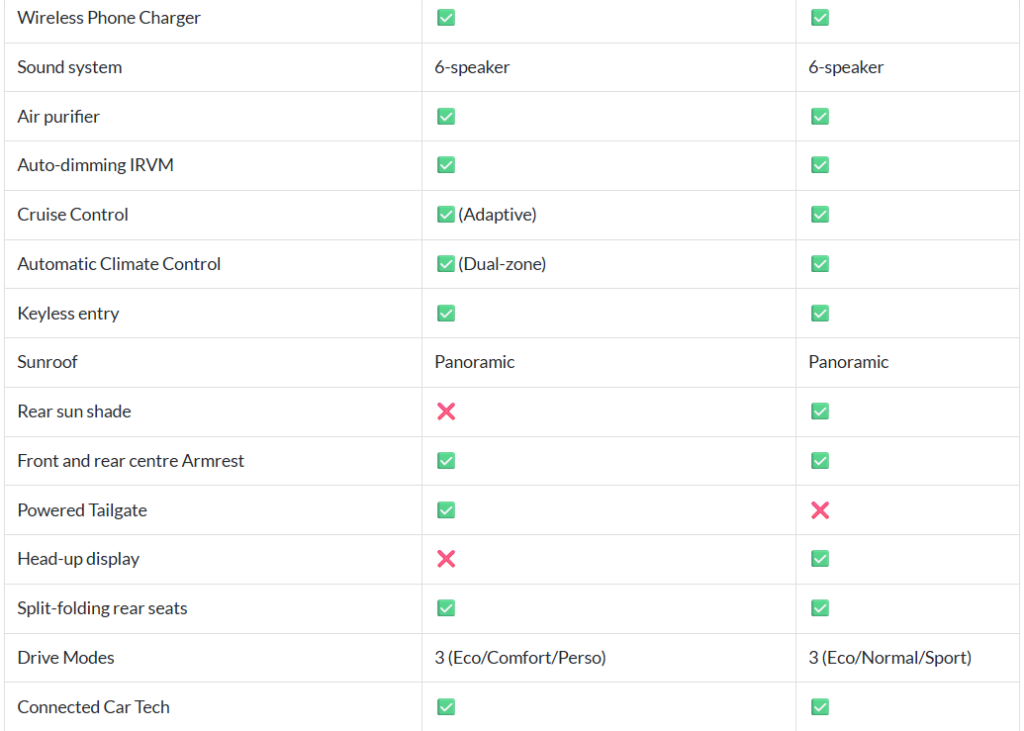
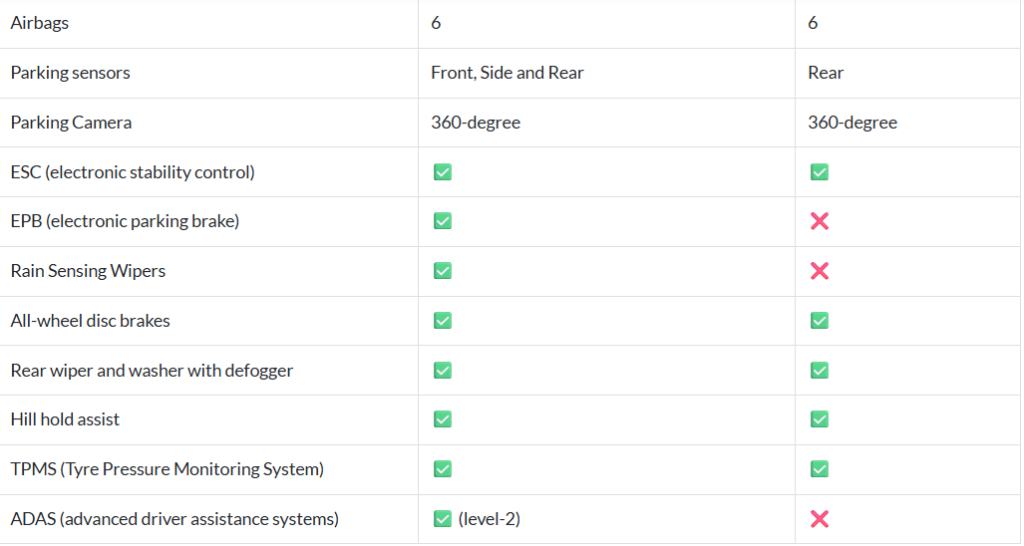
The Renault Duster firmly claims victory over the Toyota Hyryder in terms of features. Some of the extra features on the French compact SUV include bigger digital screens, a powered tailgate, a powered front seat and Level-2 ADAS features.
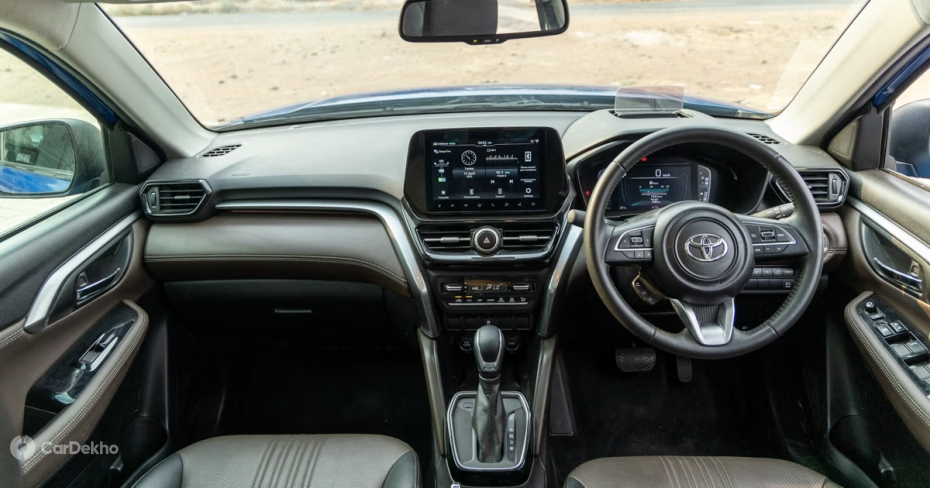
There are only two features that the Hyryder gets over the Renault Duster – head-up display and rear sun shades.
Renault also offers a stronger on-paper safety package with front, rear and side parking sensors, rain-sensing wipers, Level-2 ADAS and an electronic parking brake.
Powertrain
*DCT= Dual-clutch automatic transmission, ^CVT= Continuously variable transmission
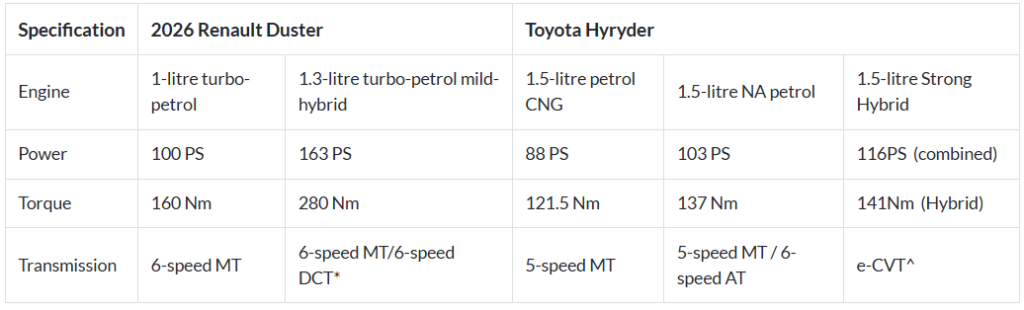
- At launch, Renault Duster is only available with turbo-petrol engine options: 1-litre, 3-cylinder and 1.3-litre, 4-cylinder. The Toyota Hyryder doesn’t get any turbo-petrol engine.
Duster’s strong-hybrid powertrain with the 1.8-litre petrol engine will arrive later this year, sometime near Diwali.
The Toyota Hyryder gets a 1.5-litre NA petrol mild-hybrid, 1.5-litre NA petrol + CNG, and a 1.5-litre strong-hybrid powertrain.
While the Duster’s smaller engine is adequate for city drives and occasional highway usage, the bigger turbo-petrol engine packs in strong performance, while offering you the option of convenience with the DCT.
The 1.5-litre mild-hybrid NA petrol engine is strictly for city commutes and relaxed highway cruising. Pick the strong-hybrid powertrain if you want slightly better performance at higher speeds, but the real benefit with that engine is its efficiency where you’ll constantly get 20 kmpl+ in the city with ease.
CarDekho Says…
From purely an emotional and sentimental point of view, the new Renault Duster seems like an alluring package on-paper with a better feature and safety package than the Hyryder. It even offers more enthusiast-friendly powertrain options, while the more efficient hybrid powertrain will follow soon after. It is the option to pick if you want a proper modern-day SUV which looks and drives well.
But, if you’re a family guy that prefers peace of mind, a smooth drive experience and efficiency over a techy feature package and performance-oriented turbo-petrol engines, then the Hyryder is the better pick for you. Not only will you benefit from Toyota’s immaculate service and better touchpoints across the country, but the Hyryder will also offer you slightly better space at the rear; making it the more sensible and mature option to pick.
If fuel efficiency is the only thing that breaks the deal for you in the Duster and you plan on waiting until the hybrid arrives, we’re sad to report that sources from Renault tell us that the allocation for the hybrid’s first batch is already called for. So you will have to wait longer than the year’s end if you haven’t already booked the Duster hybrid.
You can compare the Duster with other rivals in the segment using the links below: